
-
How Can Musicians Use Social Media to Book More Music Gigs?
Musicians can leverage social media by showcasing their talent through engaging content, connecting with fans and industry professionals, and promoting upcoming performances. Regularly updating profiles, using targeted hashtags, collaborating with other artists, and engaging with followers can increase visibility, attract potential clients, and ultimately lead to more booking opportunities.
-
What Social Media Metrics Should Musicians Track for Their Music Success?
Musicians should track engagement metrics like likes, comments, and shares to gauge audience interaction. Monitor follower growth to assess reach expansion. Analyze streaming numbers and playlist additions for music performance. Track website clicks and conversions from social media to measure marketing effectiveness. Monitor sentiment analysis for audience feedback.
-
How Can Musicians Collaborate With Influencers to Promote Their Music?
Musicians can collaborate with influencers by creating engaging content, such as music challenges or behind-the-scenes videos, leveraging the influencer’s audience. They can co-host live sessions, offer exclusive previews, or create personalized playlists. This partnership enhances visibility, taps into new fan bases, and fosters authentic connections, boosting music promotion effectively.
-
What Are the Best Social Media Growth Hacks for Musicians?
Musicians can protect their music on social media by watermarking audio, using copyright notices, and registering their work with copyright offices. They should monitor platforms for unauthorized use, utilize digital rights management tools, and engage legal services if necessary. Building a strong online presence also helps in asserting ownership.
-
How Can Musicians Use Social Media to Promote Their Music?
Musicians can leverage social media by sharing engaging content, such as behind-the-scenes videos, live performances, and new releases. Collaborating with influencers, using targeted ads, and engaging with fans through comments and messages can boost visibility. Consistent posting and utilizing platforms like Instagram, TikTok, and YouTube enhance audience reach and engagement.
-
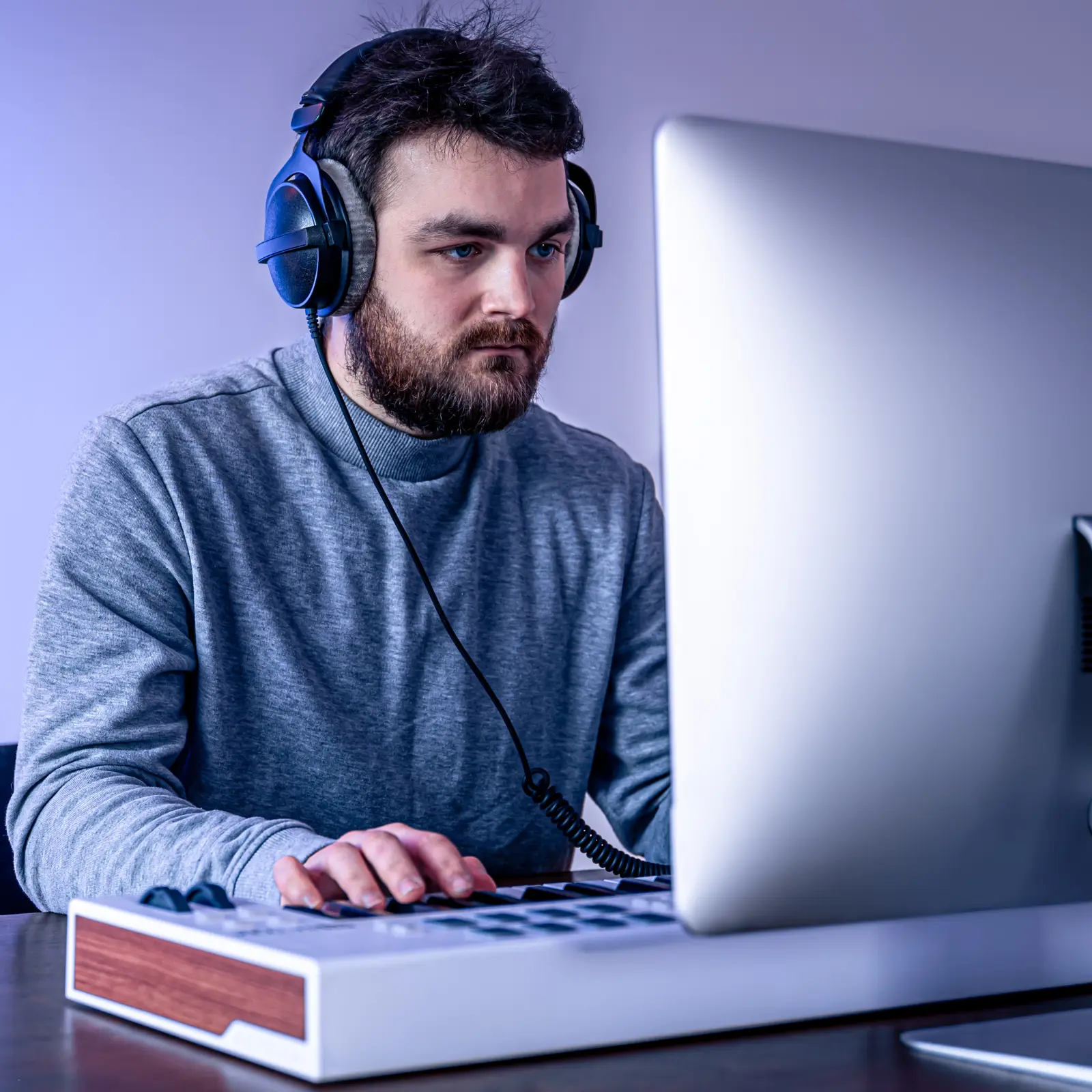
The Benefits of Non-Exclusive Publishing for Independent Musicians
In the world of music, non-exclusive vs. exclusive music publishing deals present a fundamental choice for artists. Exclusive agreements require an artist to commit all their works to a single publisher, potentially limiting their market exposure and control over their music. On the other hand, non-exclusive music publishing allows musicians to retain more control and […]
