

-
How Do International Music Royalties Work?
International music royalties are payments to rights holders when their music is used abroad. They are collected by performance rights organizations (PROs) in each country, which track usage and distribute payments. Reciprocal agreements between PROs ensure artists receive royalties globally, covering performance, mechanical, and synchronization rights across various platforms.
-
-
What Are Neighboring Rights Music Royalties?
Neighboring rights music royalties are payments to performers and producers for the public performance or broadcast of sound recordings. Unlike composition royalties, these rights compensate those involved in the recording process. They are collected when music is played on radio, TV, or in public venues, ensuring fair compensation for their contributions.
-
What Happens to Unclaimed Music Royalties?
Unclaimed music royalties are typically held by collection societies or rights organizations. If not claimed within a specified period, they may be redistributed to other rights holders, used for industry initiatives, or retained by the organization. Efforts are often made to locate rightful owners through databases and outreach programs.
-
How Do Music Royalties Analysts Handle Backdated Payments?
Music royalties analysts handle backdated payments by reviewing historical data, adjusting financial records, and ensuring accurate allocation to rights holders. They reconcile discrepancies, update royalty statements, and communicate with stakeholders to resolve issues. Analysts use specialized software to track and manage these payments, ensuring compliance with contractual and industry standards.
-
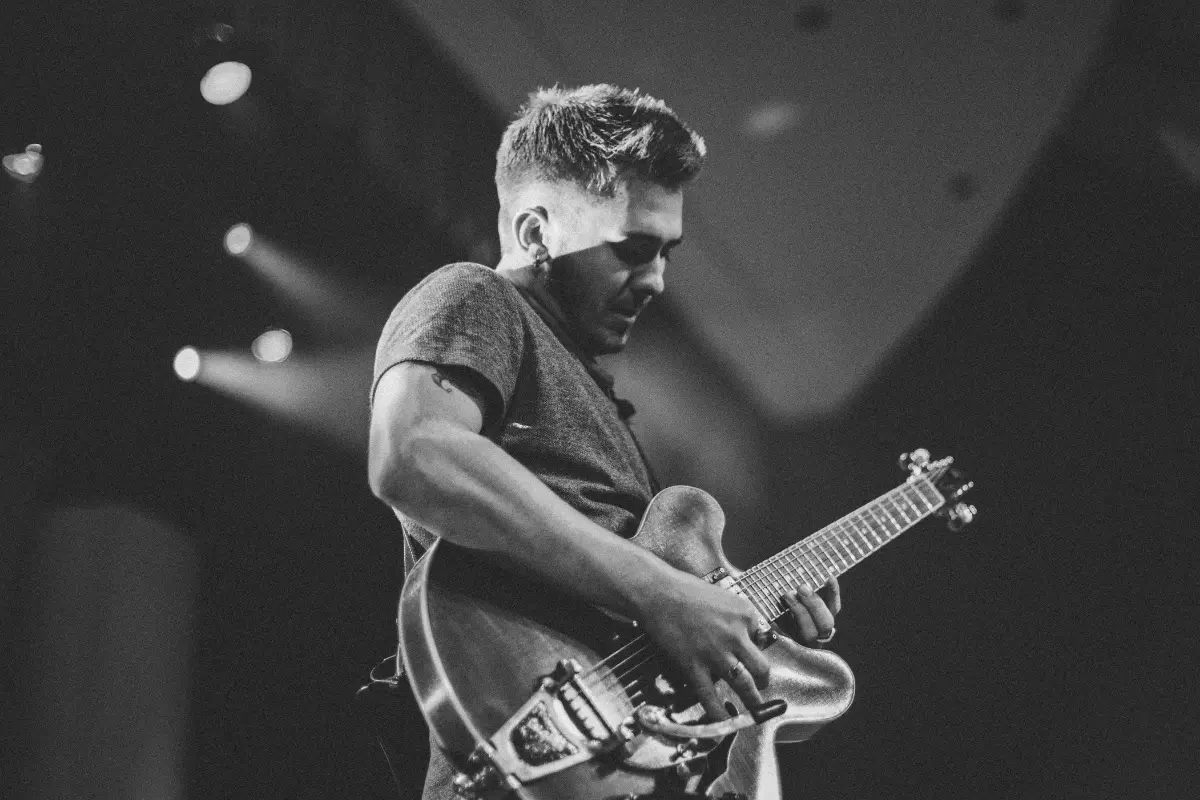
How Independent Musicians Can Build a Strong Fanbase Online
In today’s digital age, an online presence for musicians is not just beneficial; it’s essential. Independent artists face the unique challenge of standing out in a saturated market without the backing of major record labels. Establishing a strong online presence allows musicians to reach global audiences, share their art directly, and create personal connections with […]
