

-
How Does an Artist’s Branding Influence A&R Decisions?
An artist’s branding shapes industry perception, affecting A&R decisions by conveying unique personality, style, and market potential. A strong, consistent brand can draw attention, foster fan loyalty, and facilitate marketability. Consequently, labels prioritize artists with clear, authentic branding that resonates with trends and targeted audience expectations. This fosters breakthrough opportunities.
-
How Do A&R Representatives Handle Artist Rejections?
A&R representatives professionally handle artist rejections by offering constructive feedback and guidance on artistic development. They communicate reasons clearly, encouraging improvements while maintaining potential future collaborations. Emphasis on market fit and stylistic alignment ensures artists understand their decision. This transparency fosters professional growth and preserves beneficial industry relationships over time.
-
What Role Does Live Performance Play in an Artist’s A&R Evaluation?
Live performance is crucial in A&R evaluation by showcasing an artist’s stage presence, energy, and connection with audiences. It reveals real-time musicianship, authenticity, and ability to engage fans. This direct observation complements studio recordings, guiding executives to make informed decisions about signing, promoting, and investing in promising talent with confidence.
-
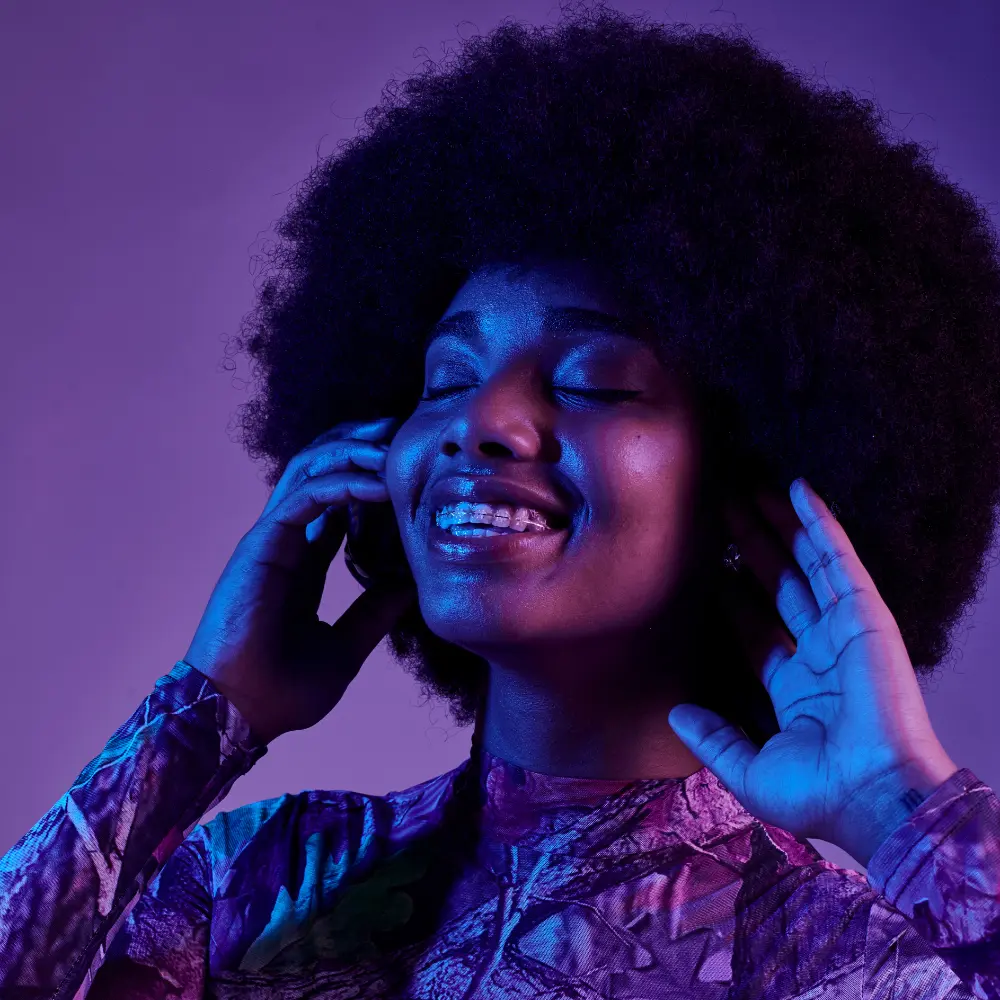
Understanding Sync Licensing: How to Get Your Music in Media
Sync licensing refers to the process where musicians and composers allow their music to be synchronized with visual media such as TV shows, movies, commercials, video games, and more. This form of licensing is vital because it provides a revenue stream that can be significantly lucrative. Music licensing for artists not only offers financial benefits […]
-
How Do A&R Teams Use Data Analytics to Scout Talent?
Data analytics empower A&R teams to identify promising talent by analyzing streaming metrics, social media engagement, and audience demographics. They pinpoint emerging trends, measure fan reactions, and forecast potential success. This data-driven approach helps refine scouting decisions, enhancing efficiency and reducing risks in identifying artists poised for breakthrough success globally.
-
How Can Artists Build Relationships With A&R Professionals?
Artists can build relationships with A&R professionals by networking at industry events, engaging on social media platforms, and consistently sharing their work. They should approach professionals respectfully, prepare quality demos, and maintain open communication. Developing personal connections, understanding industry trends, and persistently building credibility significantly fosters lasting partnerships for success.
